





The Enigmatic World of Mahjong
The Enigmatic World of Mahjong
Mahjong is a fascinating game that has captured the hearts and minds of millions around the globe. This ancient Chinese game, steeped in history and tradition, is played with a set of 144 tiles based on Chinese characters and symbols. Over the years, Mahjong has evolved and adapted, becoming a beloved pastime for people of diverse cultures. In this article, we delve into the complexities and allure of Mahjong, with a nod to the much-searched keyword HEY33, exploring why this game continues to captivate a worldwide audience.
A Brief History of Mahjong
The origins of Mahjong are shrouded in mystery. Some theories suggest it was derived from Chinese card games dating back to the 12th century, while others link its creation to a royal court during the Qing Dynasty in the early 19th century. What is certain, however, is that Mahjong became widely recognized and popularized in the early 20th century. Western interest in Mahjong increased dramatically when the game was introduced to the United States, largely through travel and subsequent writings by Joseph Babcock, an American expatriate residing in China. Mahjong quickly gained a foothold, becoming a chic and fashionable game during the 1920s.
Understanding the Game: Rules and Equipment
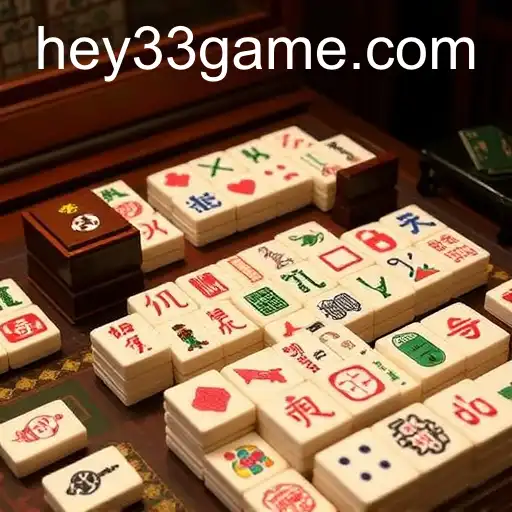
Mahjong is played with a set of tiles, although it bears some similarities to Rummy. The traditional set consists of three suits — Bamboo, Characters, and Dots — each comprising tiles numbered one to nine. There are also Honor tiles, which include four winds (East, South, West, North) and three dragons (Red, Green, White), as well as Flower and Season tiles that hold special significance.
To begin the game, each player is dealt 13 tiles, with the dealer receiving an additional tile to start the round. Players take turns drawing and discarding tiles, with the objective of forming complete sets of three tiles and a pair, known as a “Mahjong.” The rounds continue until a player successfully declares Mahjong, and points are tallied based on the tiles held and sets completed.
The Variations and Skills of Mahjong
As the game of Mahjong spread across different countries and cultures, various versions of the game emerged. Japanese Mahjong emphasizes strategy, with rules that include restrictions on open hands. The American version, meanwhile, incorporates special playing cards indicating which hands score points and includes Jokers to diversify play. Other regional variants, like Filipino Mahjong, feature distinct scoring systems and tile sets.
Additionally, mastering Mahjong requires sharp cognitive skills, strategic planning, and a bit of luck. Players must be adept at decision-making, adapting their strategies in real-time while predicting opponents’ moves. Over time, skilled players develop a keen sense of memory, recognizing patterns and anticipating the outcomes of each draw.
HEY33 and Mahjong: The Connection
The keyword HEY33 has surged in popularity, reflecting growing interest in Mahjong. While the exact significance of HEY33 remains a subject of curiosity, it is evident that online Mahjong communities and forums are abuzz with discussions surrounding it. Whether HEY33 is an online club, strategy term, or a new variant of the game, its increasing mention signifies the dynamic and evolving nature of Mahjong in the digital age.
Social and Cultural Impacts
Mahjong has a profound social and cultural impact beyond its entertainment value. In many societies, the game serves as a bridge between generations, a shared pastime where stories and traditions are passed along. It is common to see families gathered around a Mahjong table during holidays or special gatherings, with laughter and camaraderie in abundance. Moreover, Mahjong transcends socio-economic barriers, uniting enthusiasts from varied walks of life.
With the advent of online gaming platforms, Mahjong has expanded its reach even further. Digital versions allow players from around the globe to connect, compete, and share their passion for the game. Whether played physically or online, Mahjong remains a symbol of togetherness and community.
A Timeless Game
In conclusion, Mahjong is more than just a game; it is a cultural phenomenon with deep historical roots and widespread appeal. Its complex rules and strategic depth challenge the mind, while its social aspects foster a sense of belonging and community. As Mahjong continues to evolve, developing new interpretations and drawing in countless players worldwide, the game remains an enduring legacy of both intellectual and cultural significance.
FrozenUncharted: Embark on an Epic Adventure

Explore the captivating world of FrozenUncharted, an immersive game that combines exploration and strategy with the latest in gaming technology.
2026-03-13
Discover the Thrilling World of FortuneGems: Unlocking Incredible Adventures with HEY33

Dive into the captivating universe of FortuneGems, a dynamic game that enchants players with its unique narrative and gameplay. Enhance your experience using the exclusive keyword HEY33.
2026-03-12
Discover LuckyBoxes: A New Era in Gaming

Explore the enchanting world of LuckyBoxes, a game that combines strategy, luck, and exciting trends in today's gaming universe.
2026-03-11
Exploring the Exciting World of FootballBaby: A New Game Sensation

Discover the thrilling new game FootballBaby, a blend of football strategy and fun wrapped in engaging rules and gameplay. Learn about its introduction, popular features, and how the keyword HEY33 plays a crucial role.
2026-03-10

 download apk/ios